
If you’re a foreign student heading to Japan, your checklist probably includes finding housing, registering at city hall, and opening a bank account. What often catches people off guard is a small but recurring requirement tucked into almost every one of those processes: a hanko. Understanding hanko for students in Japan before you arrive—or as soon as you land—will save you real time and real frustration.
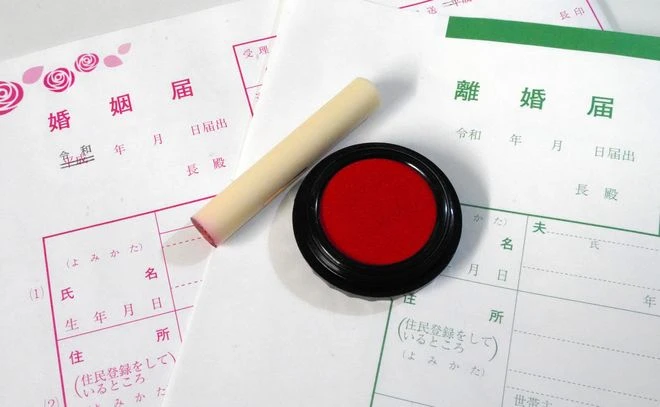
A hanko (also called an inkan) is a personal name stamp used in place of, or alongside, a handwritten signature. In Japan, stamps carry legal and administrative weight. For students, they show up earlier than expected: often before classes even start, during the housing application process.
This guide walks you through why you’ll be asked for one, which documents require it, what type to get, and how to order one easily in English. It’s written specifically for foreign students, whether you’re arriving on a scholarship, an exchange program, or a privately funded degree.
Why This Segment Is Asked for a Seal
Foreign students in Japan occupy a specific administrative position. You’re not a tourist, but you may not yet be a full resident in the eyes of every institution. Still, you’re expected to navigate the same paperwork systems that Japanese nationals use—and those systems were built around the hanko.
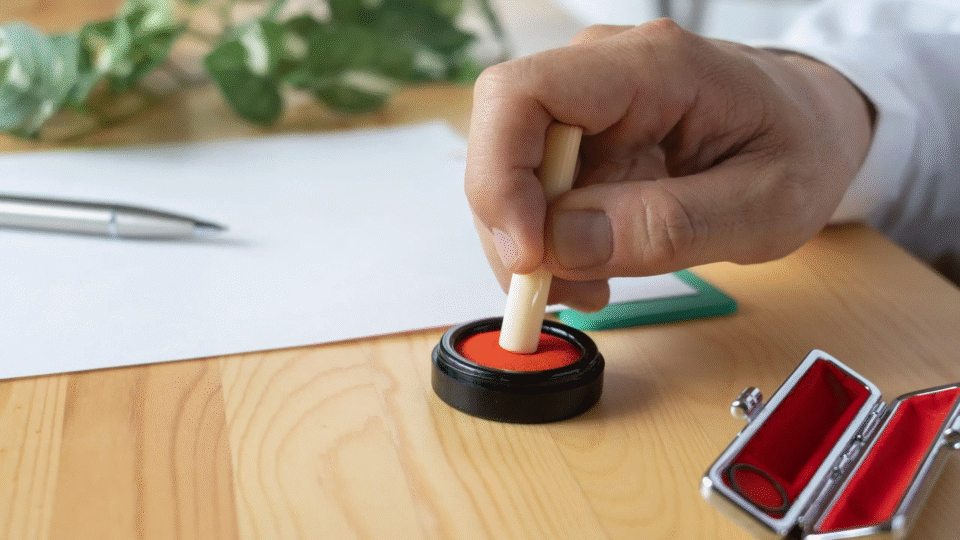
Here’s the practical reason students are asked for a seal so consistently: Japanese bureaucracy treats a stamped document as formally acknowledged. When you sign a lease, agree to a dormitory contract, or register with your ward office, a stamp confirms your identity and your consent in a way that feels, to the institution, more binding than a foreign-style signature.
For students specifically, three situations tend to trigger the hanko requirement early:
Moving into housing. Whether you’re renting a private apartment or moving into university-managed accommodation, most housing contracts in Japan include a stamp field. Some university dormitories allow a signature for foreign students, but private rentals almost always expect a seal.
University enrollment paperwork. Depending on your institution, internal forms—scholarship agreements, lab enrollment sheets, club registrations—may require a stamp. Exchange students at larger universities sometimes encounter this on day one of orientation.
City hall registration. When you register your address at the local municipal office (required within 14 days of moving in), you may be asked to provide a hanko depending on the ward and the specific forms involved.
A common scenario: Amira, a master’s student from Morocco arriving in Osaka, shows up to sign her apartment lease with only her passport. Her real estate agent hands her a form with a small red circle indicating where a stamp goes. She had no idea. The process stalls for two days while she sources one locally—at higher cost and with limited English support.
That kind of delay is avoidable.
Common Documents and Timelines
Knowing which documents require a hanko—and when—lets you prepare in the right order. The timeline for a foreign student in Japan typically looks like this:
Before or immediately upon arrival:
- Dormitory or housing contract (often required at signing)
- Guarantor-related paperwork (some housing agents require a stamp even on preliminary forms)
Within the first two weeks:
- Resident registration at city hall (jūminhyō application)
- National Health Insurance enrollment
- University enrollment confirmation forms
Within the first month:
- Bank account opening (Japan Post Bank and some regional banks ask for a hanko from account holders)
- Part-time work contract (if you take on permitted work under your student visa)
- Scholarship agreement documentation
Ongoing:
- Lab or research agreements
- Certificate request forms at the university administrative office
- Any contract renewal or amendment
A checklist of documents where a hanko is commonly required:
- Apartment or dormitory lease
- Resident registration form (city hall)
- National Health Insurance form
- Bank account opening form
- Part-time employment contract
- University internal agreements (scholarships, research, clubs)
- Utility setup forms (gas, electricity, internet)
Timelines vary slightly by institution and municipality, but most of the high-pressure moments cluster in the first two weeks. Having your hanko ready before you need it is strongly advisable.
Recommended Hanko Type and Size
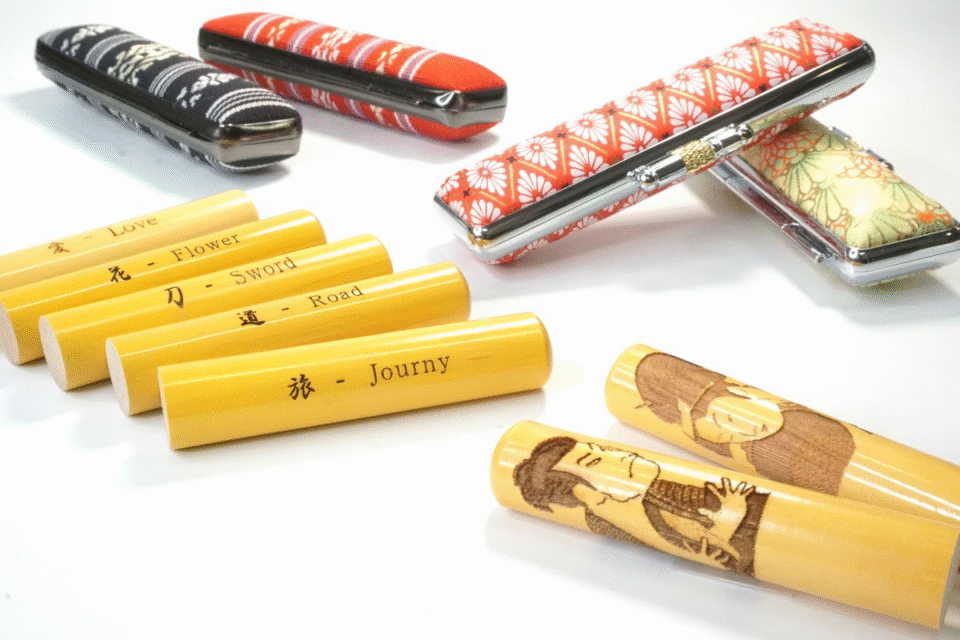
Not every hanko is the same, and for students, the choice is actually quite simple. You don’t need the high-tier jitsuin (registered seal) that’s used for property purchases or vehicle registrations. What you need is a mitome-in: an everyday personal seal used for general paperwork.
Size: 10.5mm or 12mm diameter is the standard for personal use. Either works well for the kinds of documents students encounter. Anything larger starts to feel formal in a way that’s unnecessary; anything smaller can be difficult to stamp cleanly.
Material: Resin or eco-friendly wood composites are practical, affordable, and durable. You don’t need ivory or high-end buffalo horn for student purposes. A well-made resin hanko will last through your entire degree program.
Name engraving: This is where foreign students sometimes get stuck. Japanese hanko are traditionally engraved with kanji characters. For foreign names, there are two common approaches:
- Katakana rendering of your name. This is the most practical option. Katakana is the phonetic script used for foreign words and names in Japan. “Michael” becomes マイケル, “Sara” becomes サラ. Most institutions accept this without question.
- Romanized name in Latin script. Some providers offer Roman alphabet engravings. Acceptance varies—most everyday paperwork will accept it, but some more formal documents or older institutions may prefer katakana.
Common mistakes to avoid:
- Ordering a hanko with your full name when Japanese convention uses family name or given name alone. Keep it to one name, typically your family name.
- Choosing decorative fonts that are hard to read. Clarity matters for official documents.
- Waiting until you arrive to order. Domestic stamp shops in Japan can be slow, expensive, or have limited English support. Ordering in advance through an English-language provider is faster and more reliable.
- Assuming your university will provide one. Some do; most don’t.
Ordering Tips in English
The good news is that you don’t need to read Japanese to order a hanko today. English-language services exist specifically for foreigners navigating this process, and they handle the name-to-katakana conversion for you.
When ordering, have these details ready:
- Your name as you want it engraved (family name is usually sufficient)
- Whether you want katakana or Roman script
- Your preferred size (10.5mm or 12mm for everyday student use)
- Your expected arrival date in Japan, so you can confirm delivery timing
HankoHub is built for exactly this situation. The ordering process is in English, the name conversion is handled for you, and the turnaround is designed with practical timelines in mind. For students arriving with a known move-in date, ordering two to three weeks in advance is a reasonable buffer.
If you’re still figuring out your post-graduation path and looking at work in Japan, ComfysCareer is a solid starting point for foreigner-friendly jobs in Japan.
One practical note: if you’re on a tight pre-arrival schedule, check the shipping options carefully. Some providers offer international delivery; others ship only within Japan. Confirm before you complete your order.
FAQ
Do I absolutely need a hanko as a foreign student, or can I use a signature?
It depends on the institution. Some university dormitories and international student offices have adapted their processes for foreign students and accept signatures. Private landlords and general administrative bodies, however, commonly still expect a stamp. Having one means you’re never caught off guard.
Can I buy a hanko after I arrive in Japan?
Yes, you can find hanko at 100-yen shops, stationery stores, and dedicated stamp shops (hanko-ya). The challenge is that off-the-shelf options carry common Japanese names and won’t have foreign names in stock. Custom orders at local shops often involve staff who don’t speak English and turnaround times of several days. It’s possible, but it adds unnecessary stress during an already busy arrival period.
What if my name is long or unusual?
Most English-language providers who specialize in hanko for foreigners handle long or unusual names regularly. The katakana rendering of most names fits within standard stamp dimensions. If your name is particularly long, a provider like HankoHub can advise on how to abbreviate while keeping it administratively functional.
Is the same hanko usable for everything—housing, banking, university?
For everyday student purposes, yes. A standard mitome-in works across most of the documents you’ll encounter. The only exception is if you’re asked for a jitsuin (a seal registered with the municipal office), which is used for higher-stakes legal transactions. Students rarely need this, but it’s worth knowing the distinction.
What script do most landlords and universities accept?
Katakana is the safest and most widely accepted option. It signals that you’ve engaged with Japanese conventions rather than working around them, which tends to go over well with landlords and administrative staff.
Can I use one hanko for my entire time in Japan?
Yes. A well-made hanko has no expiration. The same seal you use for your lease can be used for your bank account, your part-time work contract, and your research lab paperwork. It travels with you through the full arc of your student life in Japan.
Next Steps

If you’re preparing for student life in Japan, getting your hanko sorted early is one of the most practical things you can do before the paperwork starts. Order a personal hanko through HankoHub in English, with your name rendered correctly for Japanese administrative use, and arrive ready for whatever your landlord, your ward office, or your university puts in front of you.